Close this alert
California Beach Feet -
Sensory and embodied experience Feet are primary instruments of perception on the beach. The gradient from hot sand to cool surf maps the shoreline onto the body: toes register particle size and moisture, arches sense slope and give, and heels feel the rebound of packed wet sand versus dry powder. Walking barefoot along California’s beaches becomes an ongoing somatosensory study: the tickle of crushed shells, the slip of silt, the suction of wet sand underfoot. This feed of tactile input shapes mood and memory — the grounding pressure that reduces mental noise, the micro-pleasure of warm coarse grains between toes, the sudden shock of cold water that sharpens attention.
Environment and adaptation California’s coastline stretches variedly from fog-slicked northern rocks to wide, sunlit southern sands. Footwear and footcare evolve in response. On the rugged, kelp-littered bluffs of Mendocino or the stony tidepools of Big Sur, beach feet are tougher: callused, often shod in sturdy sandals or water shoes to guard against barnacled rock and abrupt temperature shifts. In contrast, at wide flat beaches such as Santa Monica, Venice, or Oceanside, feet are smoother, accustomed to fine, warm sand that yields beneath every step. Microclimates matter: morning fog and cool Pacific water produce brisk, shrunken toes until midday warmth returns; El Niño years bring different textures and debris that change how feet interact with the shore. California Beach Feet
Cultural signification Feet at the California beach are culturally legible. They signal leisure, athleticism, subcultural affiliation, and often a kind of casual freedom. Bare feet and flip-flops connote a laid-back, permissive ethos associated with beach life; wetsuit-clad, barefoot surfers display a subculture where grip and contact with the board and water matter more than fashion. Sand-encrusted feet have become a shorthand in local photography and tourism for authenticity — “I was there” proof that contrasts with curated images indoors. Sensory and embodied experience Feet are primary instruments
Ecological and ethical considerations Feet interact with the beach as both users and agents of impact. Repeated barefoot traffic compacts dune vegetation and churns microhabitats for intertidal organisms. Bare feet can unearth small creatures or disturb nesting sites for birds and turtles. The tactile intimacy of barefoot beachgoing raises ethical questions: how to balance enjoyment with stewardship? Californians develop local norms — staying clear of protected nesting areas, using established access paths, rinsing off sunscreen and lotions to avoid contaminating surf ecosystems. There is also the broader production-consumption link: footwear choices (e.g., plastics or sustainable cork) carry environmental footprints that shape coastal pollution. This feed of tactile input shapes mood and
Other Books in Series

World of Reading: Spidey and His Amazing Friends: Spidey Cat
Paperback
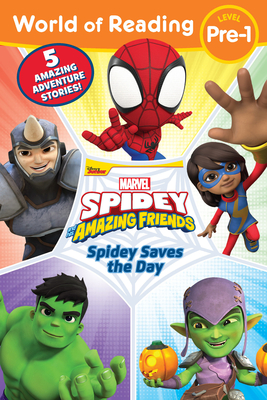
World of Reading: Spidey Saves the Day: Spidey and His Amazing Friends
Paperback

World of Reading: This Is the Fantastic Four
Paperback
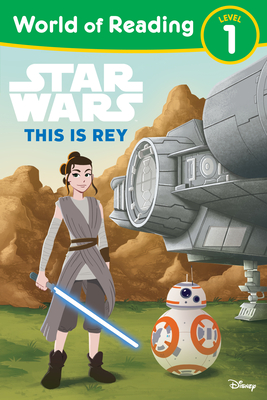
World of Reading: Star Wars: This is Rey
Paperback
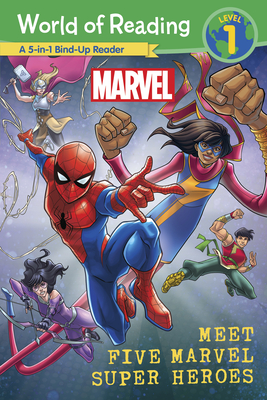
World of Reading: Meet Five Marvel Super Heroes
Paperback
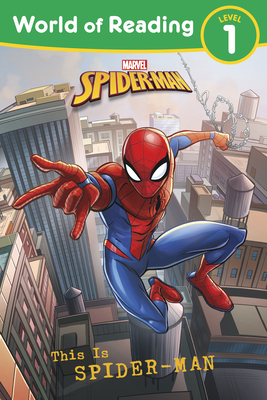
World of Reading: This is SpiderMan
Paperback
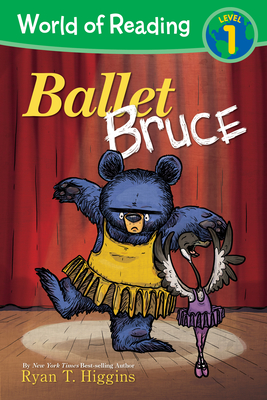
World of Reading: Mother Bruce: Ballet Bruce: Level 1
Paperback
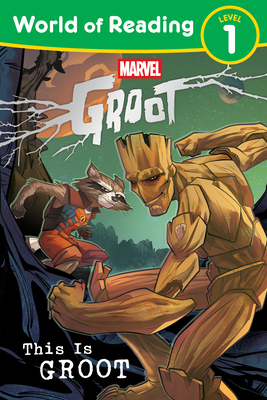
World of Reading: This Is Groot
Paperback
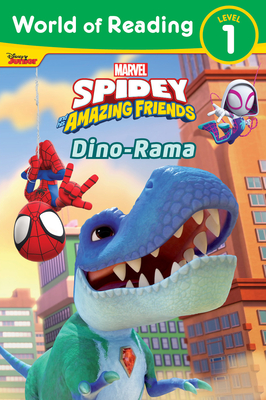
World of Reading: Spidey and His Amazing Friends Dino-Rama
Paperback

World of Reading: Mickey Mouse Clubhouse: Clubhouse Collection
Paperback

World of Reading: Spidey and His Amazing Friends: Super Hero Hiccups
Paperback
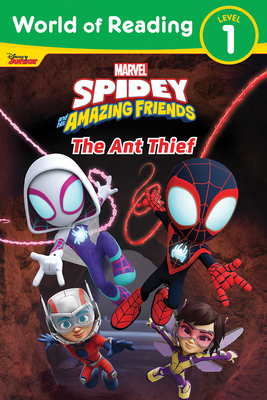
World of Reading: Spidey and His Amazing Friends The Ant Thief
Paperback

World of Reading: Star Wars: Young Jedi Adventures: The Charhound Chase
Paperback

World of Reading: This is Miles Morales
Paperback
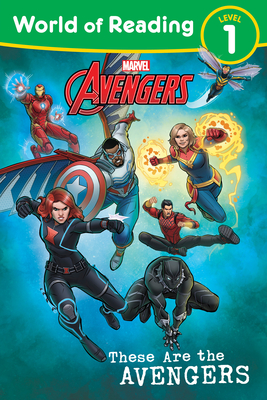
World of Reading: These are The Avengers: Level 1 Reader
Paperback

Star Wars: World of Reading: Meet the Galactic Heroes (Level 1 Reader Bindup)
Paperback
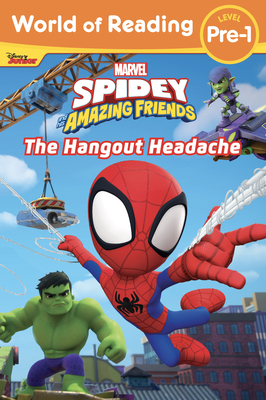
World of Reading: Spidey and His Amazing Friends: The Hangout Headache
Paperback

World of Reading: Star Wars: Meet the Galactic Villains
Paperback
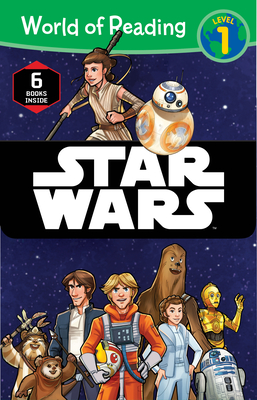
World of Reading Star Wars Boxed Set (Level 1): .
Boxed Set