Divinus | Gluteus

But that image is selective. The real gluteus, the one worth honoring, isn’t just about surface aesthetics. It’s endurance, balance, repair. It’s the muscles that prevent falls, heal after childbirth, stabilize the pelvis through long shifts of standing and sitting, and quietly permit mobility well into old age. These are mundane contributions, rarely photogenic, often invisible until they fail.

This problem extends beyond bodies. Gluteus Divinus maps onto how we treat many essential systems: teachers elevated only when trending, public transit appreciated in crisis, caregivers rewarded sporadically but taken for granted daily. We glamorize the end product and hollow out the scaffolding that sustains it. Gluteus Divinus

Gluteus Divinus — not a clinical term, but a cultural diagnosis. It names the peculiar modern tendency to revere a narrow, hyper-visible idea of physical and social strength while ignoring the subtler, stabilizing forces that actually keep us upright. But that image is selective

So what does resisting Gluteus Divinus look like? It begins with recalibrating value: funding preventive health, normalizing slow progress, and reconfiguring beauty narratives to include resilience and function. It means celebrating repair workers, physical therapists, and the patient work of strengthening rather than only the viral performances of fitness. It means designing cities and workplaces that protect and enhance the quiet mechanics of movement. It’s the muscles that prevent falls, heal after
Command line utility

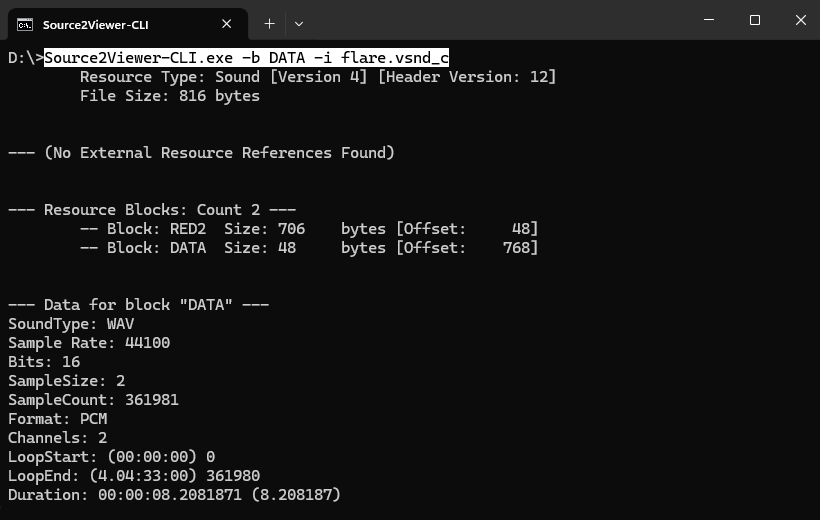
A cross-platform console application that can export and decompile Source 2 resources similar to the main application.

ValveResourceFormat

.NET library that powers Source 2 Viewer (S2V), also known as VRF. This library can be used to open and extract Source 2 resource files programmatically.

ValveResourceFormat.Renderer

.NET library providing an OpenGL-based rendering engine for Source 2 assets. Standalone rendering of models, maps, particles, animations, lighting, and materials with physically-based rendering (PBR).

ValvePak

.NET library to read Valve Pak (VPK) archives. VPK files are uncompressed archives used to package game content. This library allows you to read and extract files out of these paks.

ValveKeyValue

.NET library to read and write files in Valve key value format. This library aims to be fully compatible with Valve's various implementations of KeyValues format parsing.

C#
// Open package and read a file
using var package = new Package();
package.Read("pak01_dir.vpk");

var packageEntry = package.FindEntry("textures/debug.vtex_c");
package.ReadEntry(packageEntry, out var rawFile);

// Read file as a resource
using var ms = new MemoryStream(rawFile);
using var resource = new Resource();
resource.Read(ms);

Debug.Assert(resource.ResourceType == ResourceType.Texture);

// Get a png from the texture
var texture = (Texture)resource.DataBlock;
using var bitmap = texture.GenerateBitmap();
var png = TextureExtract.ToPngImage(bitmap);

File.WriteAllBytes("image.png", png);
View API documentation
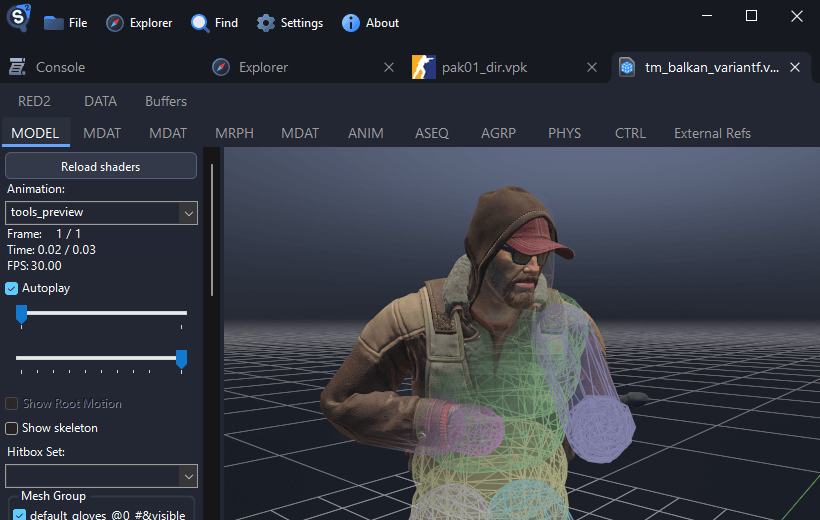
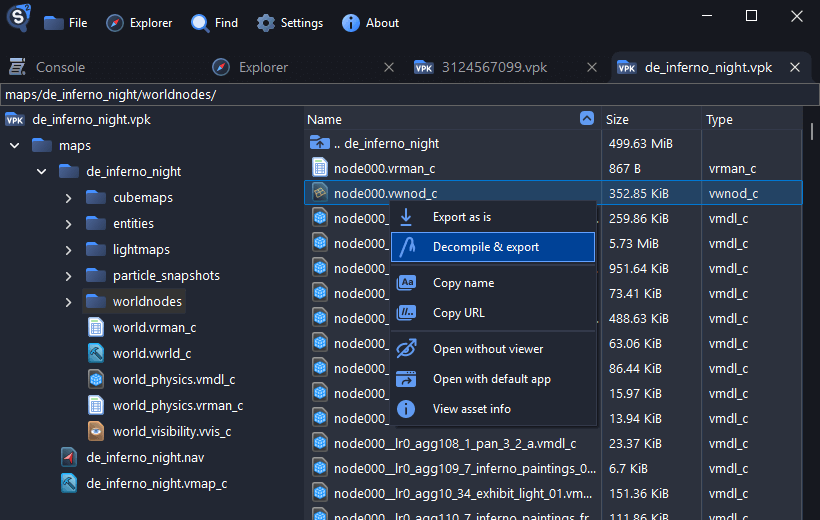
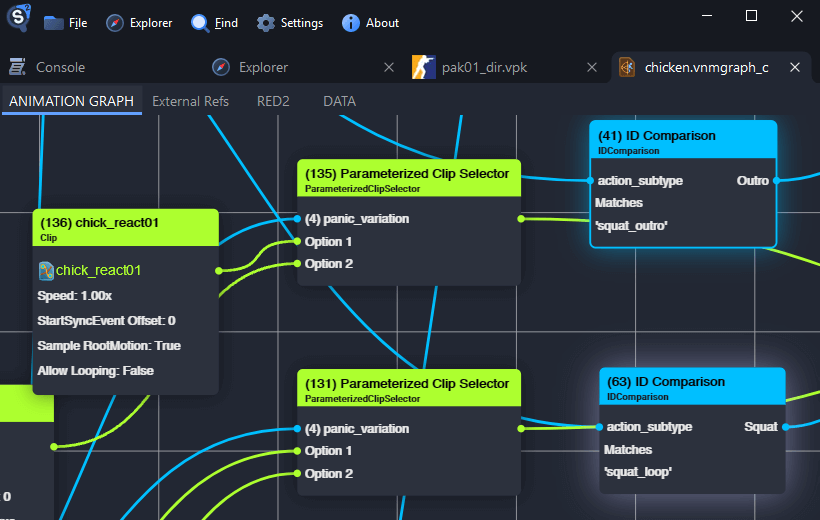
Screenshot of the 3D renderer displaying a Counter-Strike 2 player model on a grid Screenshot showing the VPK package explorer interface with a file tree and a list view Screenshot of the animation graph viewer showing nodes Screenshot of the command line interface showing DATA block for an audio file

But that image is selective. The real gluteus, the one worth honoring, isn’t just about surface aesthetics. It’s endurance, balance, repair. It’s the muscles that prevent falls, heal after childbirth, stabilize the pelvis through long shifts of standing and sitting, and quietly permit mobility well into old age. These are mundane contributions, rarely photogenic, often invisible until they fail.
This problem extends beyond bodies. Gluteus Divinus maps onto how we treat many essential systems: teachers elevated only when trending, public transit appreciated in crisis, caregivers rewarded sporadically but taken for granted daily. We glamorize the end product and hollow out the scaffolding that sustains it.

Gluteus Divinus — not a clinical term, but a cultural diagnosis. It names the peculiar modern tendency to revere a narrow, hyper-visible idea of physical and social strength while ignoring the subtler, stabilizing forces that actually keep us upright.

So what does resisting Gluteus Divinus look like? It begins with recalibrating value: funding preventive health, normalizing slow progress, and reconfiguring beauty narratives to include resilience and function. It means celebrating repair workers, physical therapists, and the patient work of strengthening rather than only the viral performances of fitness. It means designing cities and workplaces that protect and enhance the quiet mechanics of movement.

Changelog

Made possible by amazing people

Source 2 Viewer is open-source and built by volunteers. Every contribution helps make it better for everyone.