Zoboko Books Updated 【iPad】
With WiFi and Ethernet
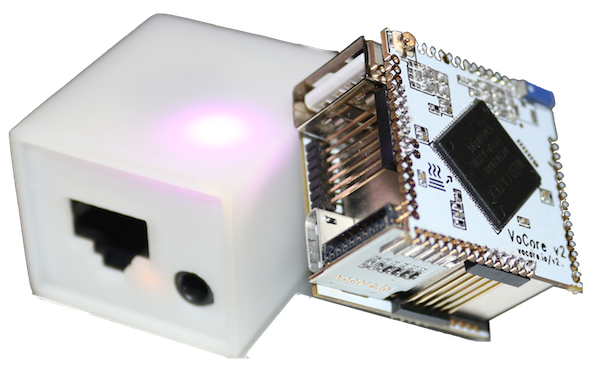
Mini Router only 30g
All-In-One 2.8cm Cube!
Zoboko Books Updated 【iPad】
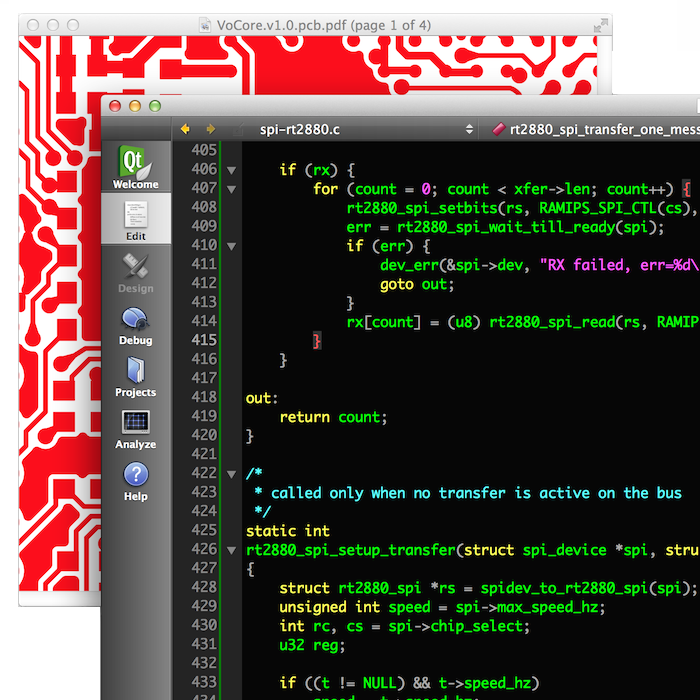
Fully source code
Fully layout design
Open for Everyone
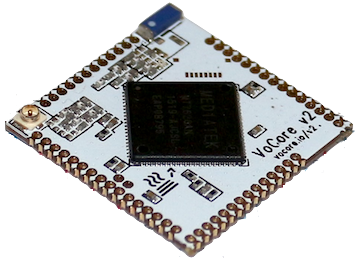
VoCore is open hardware and runs Linux(OpenWrt). It has 128MB DDR, WIFI, USB, UART, SDXC, I2C, SPI, 20+ GPIOs but only one inch square(25.8mm). It will help you to make a smart house, study embedded system or even make the tiniest router in the world.
You will not only get the VoCore but also its hardware design including schematic, circuit board, bill of materials and source code of all applications. You are able to control EVERY BIT of your VoCore.
We invite you join us, help our community improve this open source hardware and use your creative skills to make a more wonderful Internet of Things!
Tiny Size: One square inch, easy to embed to devices.
OpenWrt: Easy to code; super stable, three years no reboot.
Low Cost: low cost, less than 1watt, unmatched performance.
Interfaces: Hardware support USB, Ethernet, SD, I2C, SPI etc.
OpenSource: Both software and hardware, totally FREE
Long Life: Keep production over 10 years, fast email support.
The internet loves a comeback. Zoboko, the small-but-ambitious digital publisher that once promised to upend the online reading experience with community-driven short books and serialized stories, is back in the headlines — and this time it’s about more than nostalgia. The recent updates to Zoboko Books feel like a study in reinvention: small, precise changes that signal a pivot toward readers who want quick, shareable, and beautifully designed content without the bloat.
Community and curation, without the swamp This update recognizes social features can help or harm. Zoboko’s new model favors light-touch curation over raw upvote armies. Editor-curated lists, themed anthologies, and guest editor spots give talented writers visibility without letting popularity contests drown out quality. Comments persist, but the platform emphasizes short reader notes and micro-reviews tied to specific episodes — a way to foster conversation without turning the site into a slog of long threads. zoboko books updated
Final take Zoboko Books updated feels like an act of refinement rather than reinvention. It takes a strong original premise — short, sharable, serialized reading — and gives it the infrastructure it lacked: readable design, practical creator tools, curated discovery, and sensible monetization. For readers craving quick literary hits and for writers who sculpt stories into small, potent forms, the updates make Zoboko a place worth reopening. If the platform keeps prioritizing craft over clicks, these small books might just find a bigger, more sustainable audience. The internet loves a comeback
Discovery used to feel like digging; now it’s curated. Updated recommendation feeds prioritize short-form works by theme, mood, and reading-length. If you liked a 15-minute sci-fi flash piece about AI ethics, the feed surfaces three other stories around technology and moral choice — not just more sci-fi in general. That small behavioral nudge turns casual browsing into meaningful exploration. Community and curation, without the swamp This update
What still matters Updates are promising, but the challenges that felled many niche platforms remain: sustaining creator income, maintaining quality control, and avoiding algorithmic echo chambers. Zoboko’s moves — better tools, curated discovery, clearer monetization — mitigate those risks, but long-term success will depend on consistent execution and a community that values brevity and craft.
New tools for creators Where Zoboko could have left creators stranded before, it’s added tools that lower the friction of publishing and promote quality. Draft templates, version control for episodes, and an editor’s checklist (plot, pacing, continuity, scene economy) make it easier for first-timers to polish micro-fiction. A simple royalty dashboard and clearer revenue tiers make the economics less mysterious.
Monetization that respects short-form Zoboko’s original monetization model — a mix of pay-per-episode and ad support — often confused readers. The update simplifies choices: a low-cost subscription unlocks ad-free reading and early access; single-episode purchases remain for casual or experimental consumption. Crucially, micropayments are framed in reader-friendly terms (e.g., “Buy one 10-minute story for the price of a coffee”) and creators see a clearer cut. That clarity is likely to attract more consistent publishing.